There is something to be said for museums that were once homes to hugely talented or otherwise notable people. It’s the element of voyeurism that’s so unique: visitors can not only view the person’s work at close range, but also think about how they lived; what kind of lives they led behind closed doors. Objects within these house museums play the part of portraying a past, one that seems tangible while in essence being tantalisingly inaccessible: in places like Dennis Severs’ House, this is done so evocatively that visitors feel like the 17th century house inhabitants have just left the room. With this in mind, I went with great curiosity to Kensington one afternoon to see a home-museum with a 150-year history.
Edward Linley Sambourne, chief cartoonist of Punch
If you ever want to try to understand the Victorians, read their magazines and periodicals. Punch was a popular British weekly magazine featuring cutting satire and political humour: from its heyday in the 1840s onwards, its pages were filled by notable writers including Somerset Maugham; P. G. Wodehouse and C. S. Lewis, and its content – text and illustration – focused on political figures and social trends, such as passing fashions and consumer tastes.
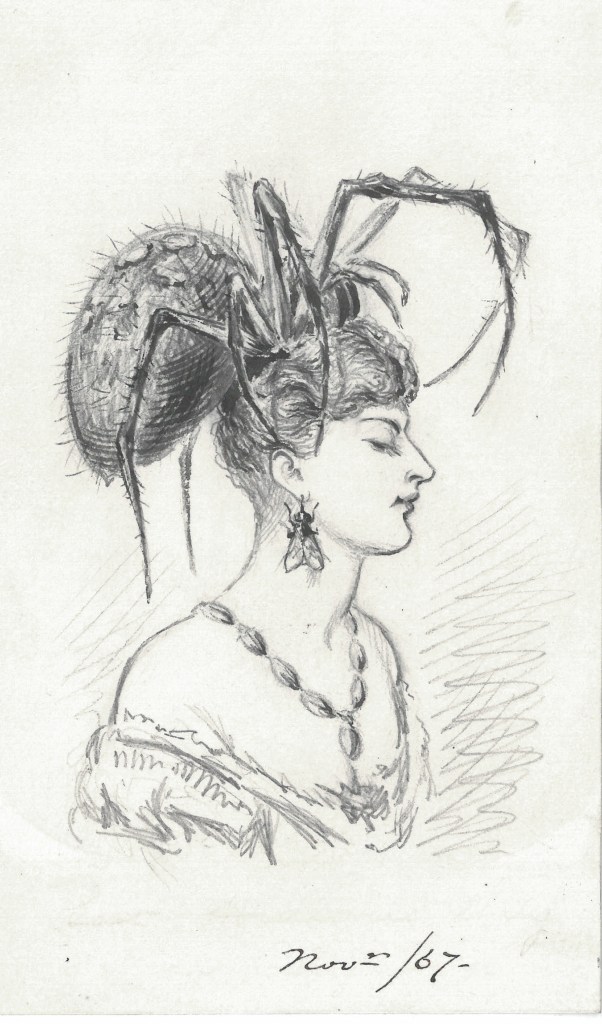
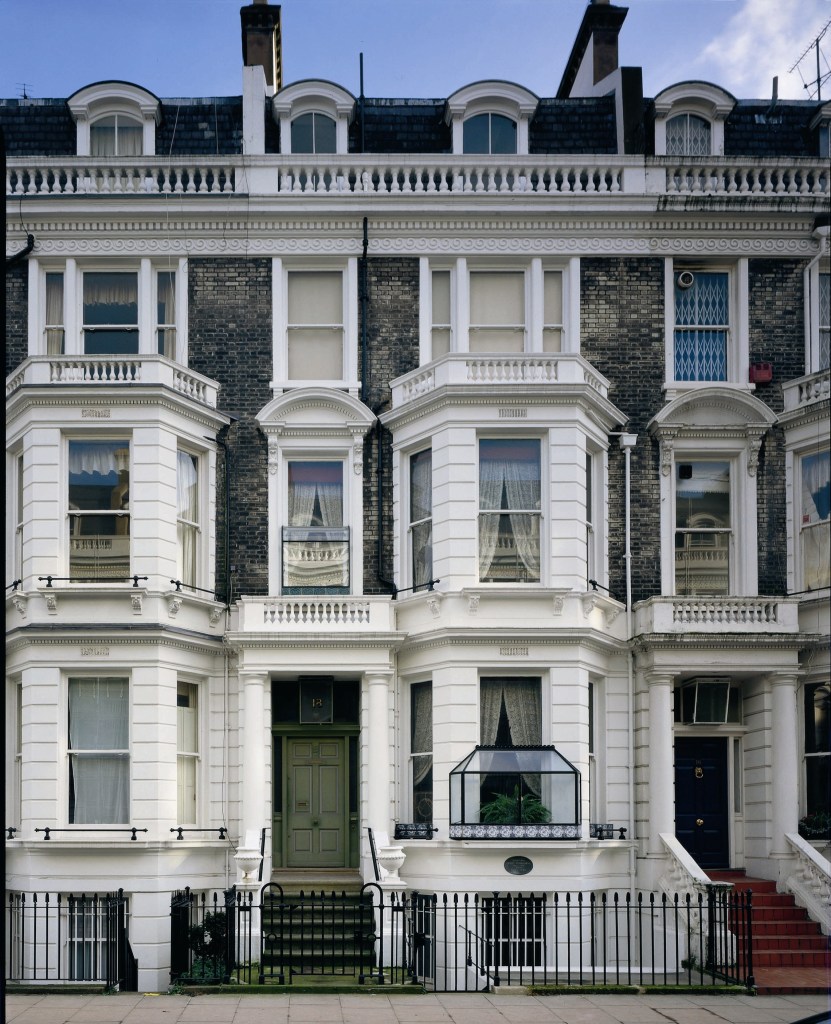
The chief illustrator and cartoonist of Punch was one Edward Linley Sambourne (1844 – 1910), and his home in Kensington has reopened to the public as a museum after restoration work. The house, 18 Stafford Terrace, is a monument to its age: so faithfully Victorian is its well-preserved aesthetic that it has been used widely in film and TV. It served as the set for the interiors of Mrs. Vyse’s London home in the Merchant Ivory film A Room with a View, and in the 1981 TV series Brideshead Revisited its interiors are shown as the home of Charles Ryder’s father.
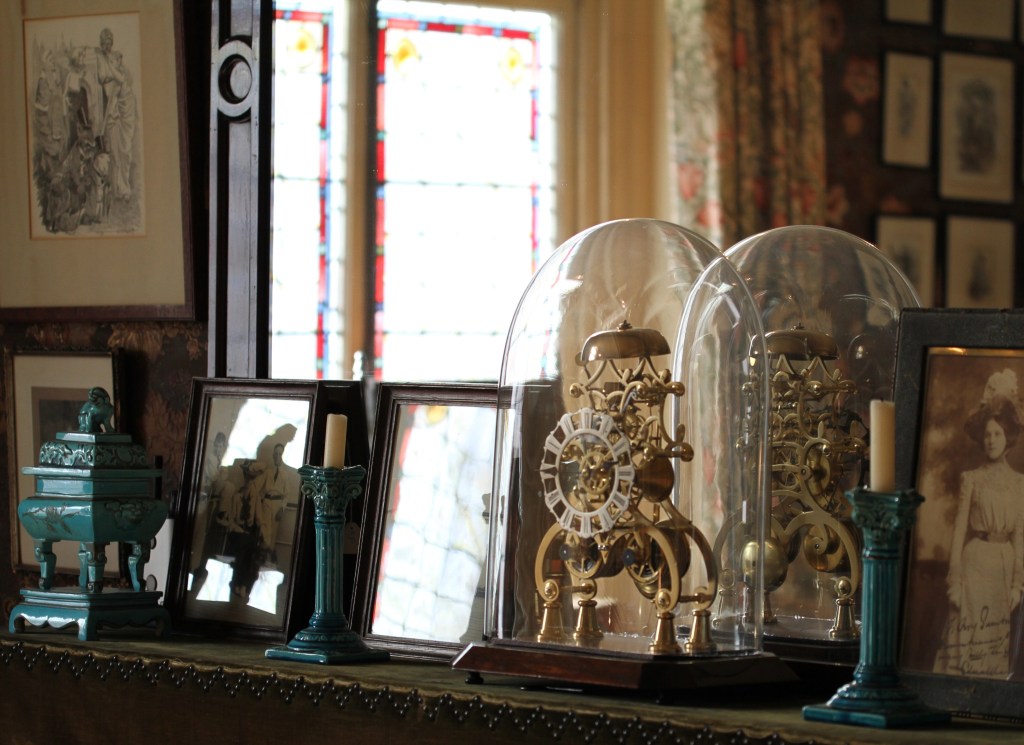
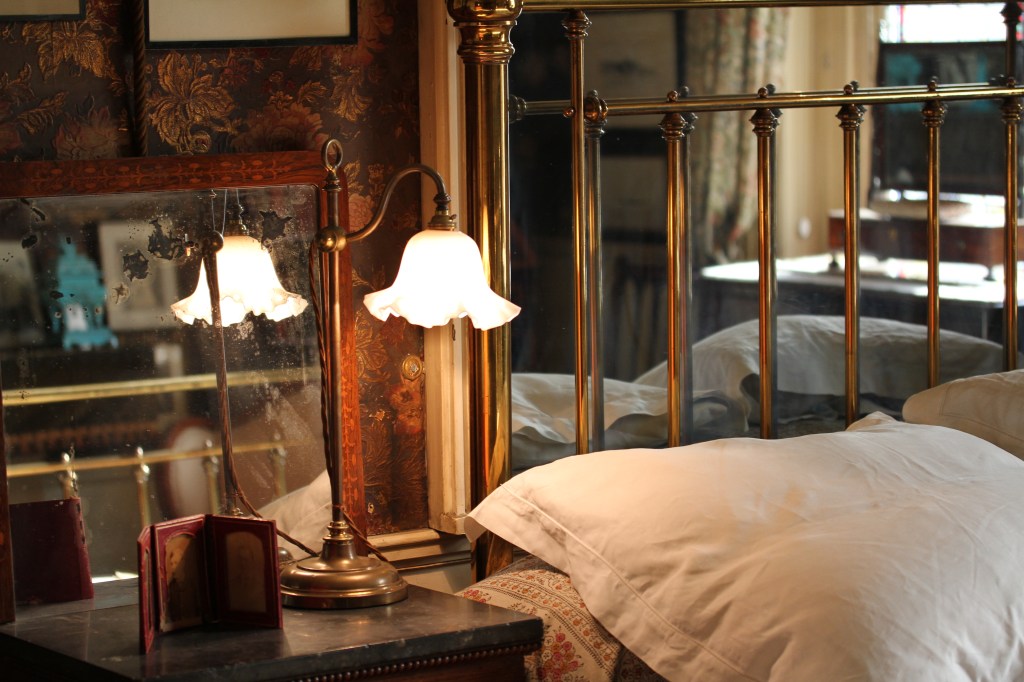
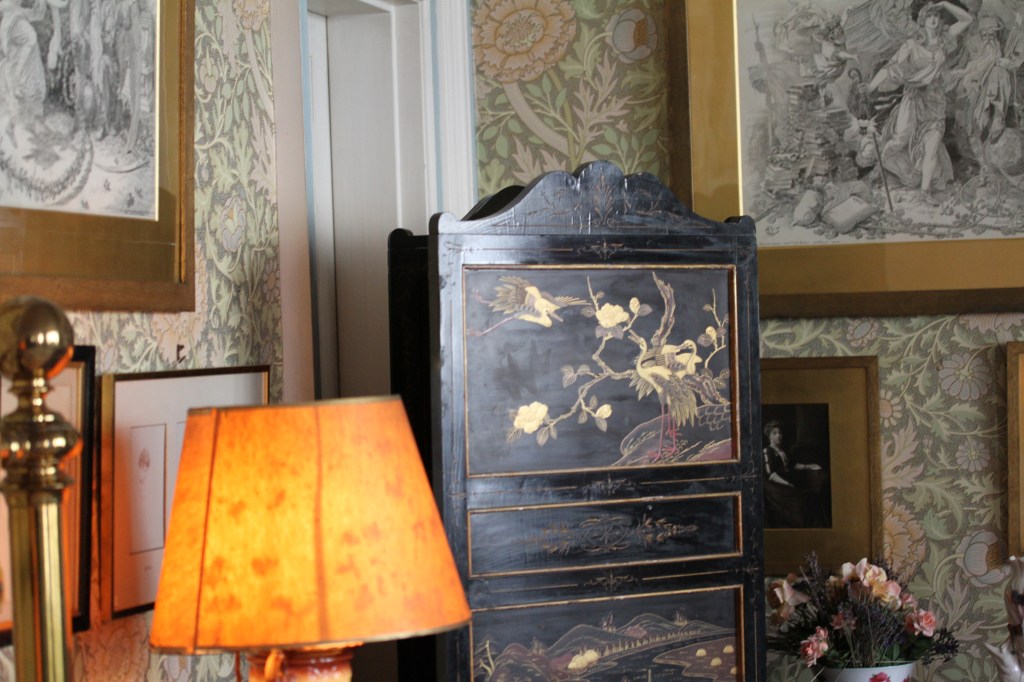
The feel of the house is stately and grand: its interiors are beautiful, though some may find them too cluttered, with brass statuettes jostling for space with seashells and silver photo frames on mantelpieces.
Drawing from photos: Linley Sambourne’s artistic process
The museum explains Sambourne’s unusual creative process: it discusses how, for an artist working solely in black and white, and whose output was chiefly cartoons and humorous illustrations, Sambourne used a huge library of his own photographic images to give accuracy to his work. This is surprising when you consider that in the late 19th century, photography as a medium was still largely unchartered territory – up until the 1880s, domestic photography didn’t exist, but in 1888 the Kodak n°1 box camera, the first easy-to-use camera, was introduced to the public with the slogan, “You press the button, we do the rest.
Linley Sambourne took full advantage of this new technology: he would ask friends, family and professional models to hold poses for his photos, armed with an ever increasing set of props: yards of muslin to represent classical drapery; a fire iron to represent a spear. He’d then draw from these photos, embellishing where needed.
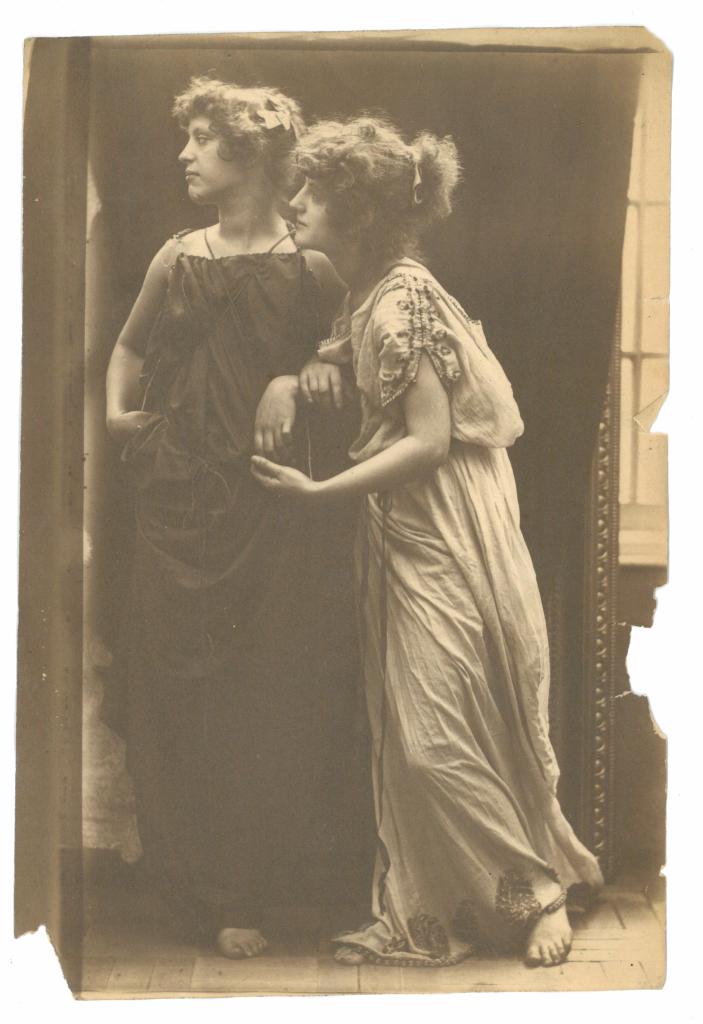
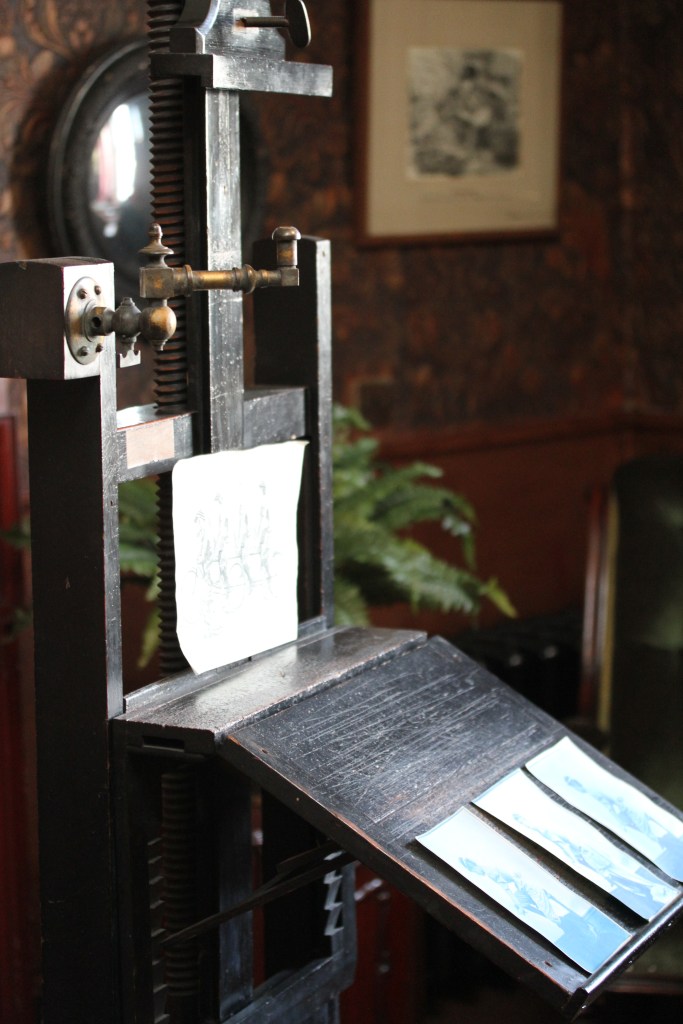
You can see into the artist’s home studio on the fifth floor, where his easel is laid out, the room flooded with natural light from wide and stately Stafford Terrace. Linley Sambourne would have his photos for reference, perhaps tracing over them, or else referring back to the poses, for his weekly cartoons.
Sambourne House is very much worth visiting: I don’t know of anywhere else where you can see so many Victorian cartoons up close. There are hundreds: they fill the hallways of the five-storey townhouse, frames touching, and to see all of them you at times have to crouch on stairways. It’s what Linley Sambourne wanted, rather than the work of a curator or museum employee, for it was Sambourne who positioned his framed cartoons throughout the home.
Daniel Robins, Senior Curator of Sambourne House
“Linley Sambourne is a fascinating figure: a highly skilled draughtsman and early user of
photography, his work and domestic life were dominated by an aesthetic appetite”.
Sambourne House is located at 18 Stafford Terrace, London W8. Opening times: Wednesdays to Sundays, 10am – 5:30pm. More information available at: http://www.rbkc.gov.uk/museums
© 2023 Frances Forbes-Carbines
 Frances Forbes-Carbines